
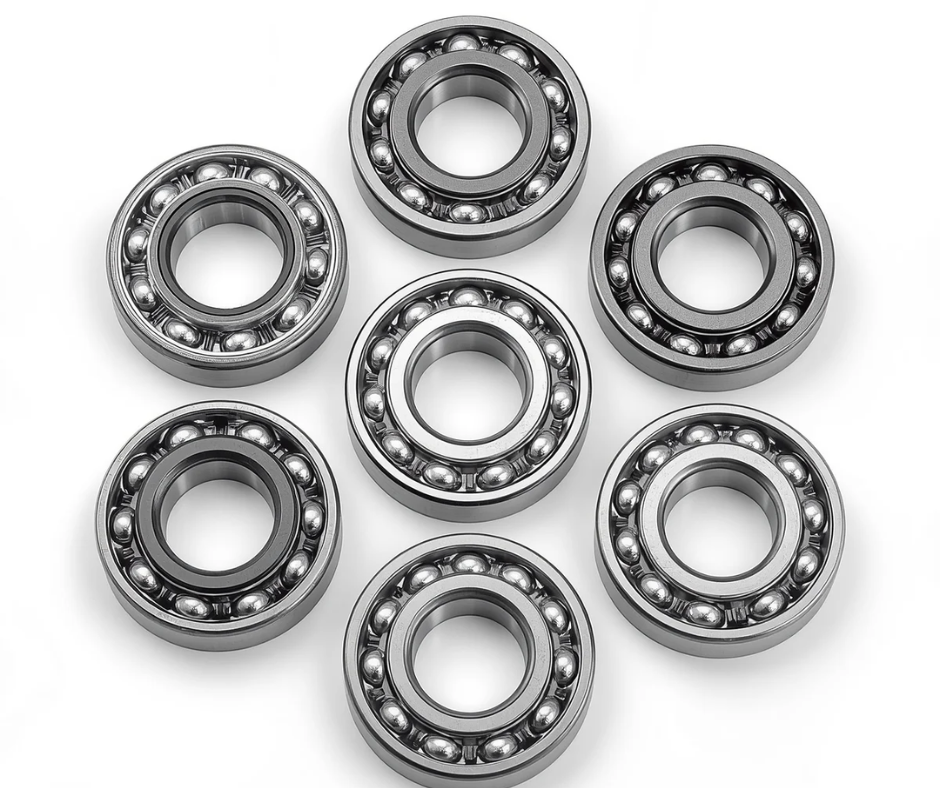
5 Signs Your Bearings Need Replacement
Bearings are the silent workhorses of modern machinery. They enable smooth rotation, support heavy loads, and reduce friction in countless applications—from industrial equipment to automotive systems. But like all mechanical components, bearings have a finite lifespan.
Knowing when to replace bearings is critical. A failing bearing can cause catastrophic equipment failure, costly downtime, and safety hazards. In this guide, we'll explore the five most common signs that indicate your bearings need replacement.
💡 Key Insight: Studies show that bearing failure is responsible for over 50% of all machinery breakdowns. Early detection can save thousands in repair costs and prevent unplanned downtime.
Understanding Bearing Wear
Before we dive into the warning signs, it's important to understand why bearings fail. Bearings operate under extreme conditions—high loads, high speeds, temperature fluctuations, and exposure to contaminants. Over time, these factors cause wear that eventually leads to failure.
Common Causes of Bearing Failure
- Contamination: Dirt, dust, and moisture entering the bearing.
- Improper Lubrication: Too little, too much, or the wrong type of lubricant.
- Overloading: Excessive weight or shock loads beyond design capacity.
- Misalignment: Improper installation causing uneven load distribution.
- Fatigue: Natural wear from millions of revolutions.
Sign #1: Unusual Noise or Vibration
🔊 Unusual Noise or Vibration
One of the earliest and most noticeable signs of bearing trouble is abnormal noise or vibration. A healthy bearing operates with minimal sound, but a failing bearing often produces distinctive noises:
- Grinding or Growling: Indicates serious damage to the rolling elements or raceway.
- Whining or Squealing: Suggests insufficient lubrication or misalignment.
- Rattling or Clicking: Often indicates that rolling elements are damaged or debris is present.
These noises occur because worn or damaged components create irregular movement and friction. As the bearing deteriorates, the noise typically becomes louder and more constant.
🔧 Pro Tip: Vibration analysis is an effective way to detect bearing problems early. An increase in vibration amplitude often indicates bearing wear before audible noise becomes apparent.
Sign #2: Overheating
🌡️ Overheating
Excessive heat is a clear warning sign that your bearing is in distress. Bearings naturally generate some heat during operation, but excessive temperature rise indicates a problem.
What Causes Bearing Overheating?
- Insufficient or degraded lubrication
- Excessive friction from worn components
- Misalignment or preload issues
- Overloading beyond design limits
Most bearings are designed to operate at temperatures up to 150-200°F (65-93°C). If you notice your bearing or surrounding housing is too hot to touch, immediate attention is required.
Sign #3: Reduced Performance
⚡ Reduced Performance
When a bearing begins to fail, you'll notice a decline in equipment performance. This can manifest in several ways:
- Reduced speed: The machine operates slower than normal.
- Increased friction: More resistance in the moving parts.
- Lower efficiency: The equipment requires more energy to achieve the same output.
- Inconsistent operation: Intermittent sticking or hesitation.
Performance degradation often occurs gradually, making it easy to overlook. Regular performance monitoring can help you detect these subtle changes before they become major problems.
Sign #4: Visible Wear or Damage
🔍 Visible Wear or Damage
A visual inspection can reveal a lot about bearing condition. Look for these telltale signs:
- Discoloration: Blue or brown coloring indicates overheating.
- Pitting or Flaking: Small pieces of metal coming off the bearing surface.
- Scoring or Scratching: Grooves on the raceway or rolling elements.
- Corrosion or Rust: Indicates moisture contamination.
- Fractures or Cracks: Visible cracks on the bearing housing or elements.

Sign #5: Lubricant Contamination
🛢️ Lubricant Contamination
Your bearing's lubricant can tell you a lot about its condition. Contamination in the lubricant is a strong indicator that the bearing needs attention.
Signs of Contamination:
- Metal particles: Visible metal flakes in the grease or oil.
- Discolored lubricant: Brown, black, or milky appearance.
- Burned smell: Indicates excessive heat and lubricant degradation.
- Water contamination: Milky white or cloudy lubricant.
Regular lubricant analysis can help you detect problems early. Consider implementing a routine oil sampling program for critical equipment.
🔬 Pro Tip: Many bearing failures are preventable with regular maintenance. A simple oil analysis program can detect contaminants and wear particles long before failure occurs.
When to Replace vs. When to Repair
Not all bearing issues require immediate replacement. Here's a quick guide to help you decide:
| Condition | Action | Urgency |
|---|---|---|
| Minor noise, no other issues | Monitor closely, check lubrication | Low |
| Moderate noise with vibration | Plan replacement during next shutdown | Medium |
| Severe noise, overheating, visible damage | Replace immediately | High |
| Lubricant contamination | Flush and replace lubricant, inspect bearing | Medium |
| Catastrophic failure (seizing) | Emergency replacement | Critical |
Preventive Maintenance Tips
Prevention is always better—and more cost-effective—than cure. Here are some tips to extend bearing life:
- Regular Lubrication: Use the correct type and amount of lubricant. Follow manufacturer recommendations.
- Keep Clean: Prevent dirt and moisture from entering the bearing housing.
- Monitor Temperature: Install temperature sensors on critical bearings.
- Vibration Monitoring: Implement a vibration analysis program for early detection.
- Proper Installation: Ensure bearings are installed correctly with proper tools.
- Align Shafts: Maintain proper alignment to prevent uneven loading.
Need Help with Bearing Selection or Replacement?
Whether you're looking for replacement bearings or need help diagnosing a potential issue, our team of experts is here to help. We carry a wide range of high-quality bearings from trusted global brands and can assist you in selecting the right product for your application.
📞 Call us: +971 5037 56766
✉️ Email: hasnain@hamzaoilseals.com
Request a Quote →