
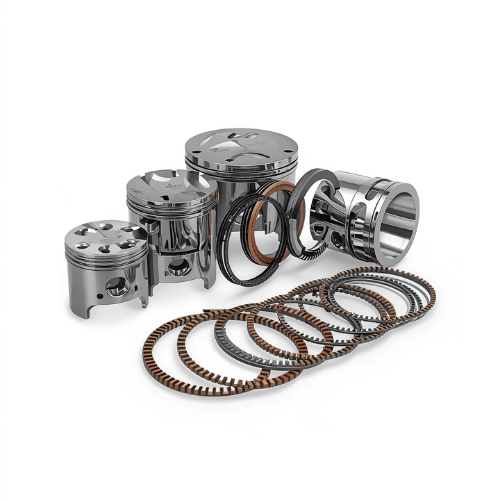
Piston Rings 101: Function, Types & Maintenance
Piston rings are among the most critical components in any internal combustion engine. Despite their small size, they play a vital role in engine performance, efficiency, and longevity. A worn or damaged piston ring can lead to reduced power, increased oil consumption, and eventually, catastrophic engine failure.
In this comprehensive guide, we'll explore the essential functions of piston rings, the different types available, common problems, and how to maintain them for optimal engine performance.
💡 Key Insight: Piston ring failure is one of the top causes of engine overhaul. Understanding how piston rings work and how to maintain them can save you thousands in repair costs.
What Are Piston Rings?
Piston rings are metallic split rings that fit into grooves on the outer surface of a piston in an internal combustion engine. They form a seal between the piston and the cylinder wall, preventing combustion gases from escaping into the crankcase while controlling oil consumption.
Primary Functions of Piston Rings
- Sealing: Prevent combustion gases from escaping past the piston.
- Oil Control: Regulate oil distribution on the cylinder wall.
- Heat Transfer: Conduct heat from the piston to the cylinder wall.
- Scraping: Remove excess oil from the cylinder walls.
The Anatomy of a Piston Ring Set
A typical piston ring set consists of three rings, each with a specific function:
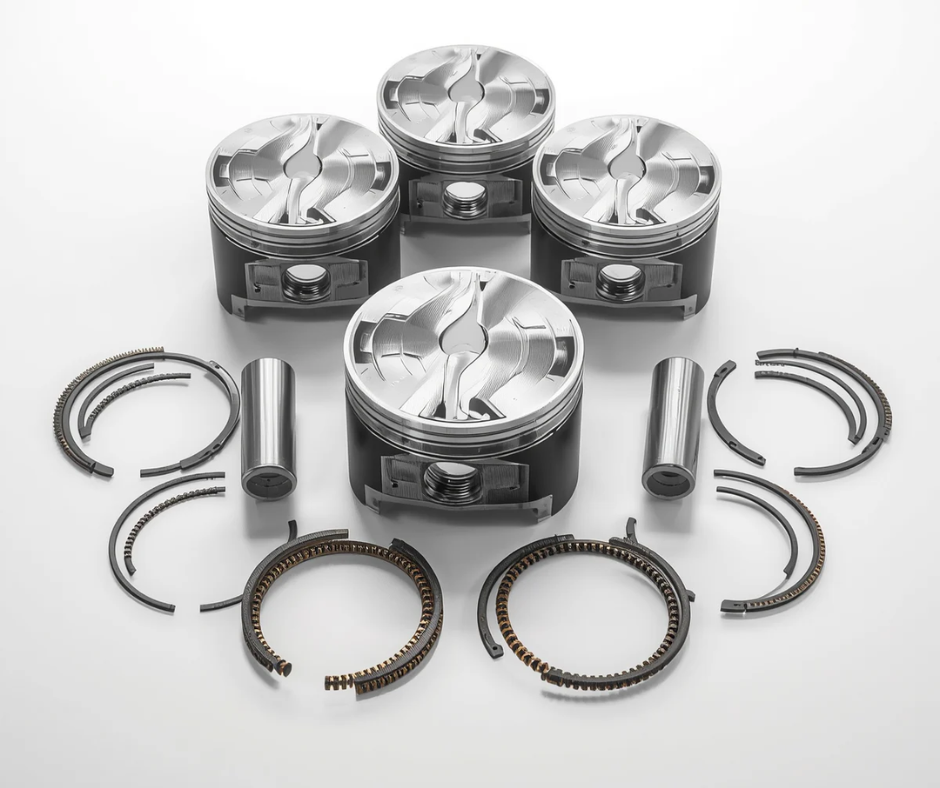
1. Top Compression Ring
The top ring is responsible for the primary seal against combustion gases. It faces the highest temperatures and pressures, so it is typically made from durable materials like cast iron or steel with a hard coating.
2. Second Compression Ring
The second ring provides secondary sealing and assists the top ring in preventing gas blow-by. It also serves as a backup if the top ring fails.
3. Oil Control Ring
The oil control ring regulates the amount of oil on the cylinder wall. It scrapes excess oil from the cylinder wall, returning it to the crankcase.
⚙️ Piston Ring Materials
Modern piston rings are typically made from:
- Cast Iron: Traditional, durable, and wear-resistant.
- Ductile Iron: Stronger than cast iron, more flexible.
- Steel: Used for high-performance applications requiring greater strength.
- Coatings: Chrome, molybdenum, or nitride coatings for reduced wear.
Types of Piston Rings
Piston rings come in various designs, each suited for specific applications:
| Ring Type | Design Features | Best Applications |
|---|---|---|
| Rectangular | Simple rectangular cross-section | Standard automotive engines |
| Keystone | Tapered shape, reduces carbon buildup | Heavy-duty diesel engines |
| Barrel-Face | Rounded face for better oil retention | High-performance engines |
| Taper-Face | Tapered face for improved sealing | High-speed engines |
| Napier (Hooked) | Hooked design for oil scraping | Diesel engines |
| Heavy-Duty | Reinforced design for extreme conditions | Industrial and marine engines |
How Piston Rings Work
Piston rings work through a combination of mechanical and gas pressure sealing:
- Mechanical Sealing: The ring's own tension forces it against the cylinder wall, creating an initial seal.
- Gas Pressure Sealing: During combustion, gas pressure forces the ring against the cylinder wall, enhancing the seal.
- Oil Control: The oil ring maintains a thin film of oil on the cylinder wall for lubrication.
- Heat Transfer: Rings conduct heat from the piston to the cooler cylinder wall.
🔧 How It Works: When the engine is running, the combustion pressure pushes the top ring against the cylinder wall. The second ring provides a backup seal while also allowing some gas pressure to reach the top ring groove, further improving the seal.
Common Piston Ring Problems
1. Ring Wear
Over time, piston rings wear due to friction and heat. Worn rings can't maintain an effective seal, leading to:
- Increased oil consumption
- Loss of engine power
- Reduced compression
- Excessive exhaust smoke (blue smoke)
2. Carbon Buildup
Carbon deposits can accumulate in ring grooves, causing rings to stick and lose their sealing ability. This leads to:
- Blow-by of combustion gases
- Increased oil contamination
- Engine knocking
- Reduced fuel efficiency
3. Ring Breakage
Excessive stress, overheating, or installation errors can cause ring breakage. This can result in:
- Catastrophic engine damage
- Scoring of cylinder walls
- Total loss of compression
- Engine seizure
Signs Your Piston Rings Need Attention
- Blue Smoke from Exhaust: Indicates oil burning in the combustion chamber.
- Increased Oil Consumption: Needing to add oil more frequently.
- Loss of Power: Reduced engine performance and acceleration.
- Poor Fuel Economy: Lower fuel efficiency than usual.
- Engine Knocking: Pinging or knocking sounds from the engine.
- Blow-by: Excessive pressure in the crankcase (visible in the oil filler cap).
- Failed Compression Test: Low compression readings on a cylinder.
Piston Ring Maintenance Tips
✅ Best Practices
- Regular oil changes with quality oil
- Use the correct oil viscosity
- Maintain proper engine temperature
- Avoid excessive idling
- Use fuel additives to prevent carbon buildup
- Regular engine tune-ups
❌ Common Mistakes
- Using low-quality oil
- Neglecting oil changes
- Overheating the engine
- Improper ring installation
- Using incorrect ring gaps
- Ignoring early warning signs
Piston Ring Installation Guide
Proper installation is critical for piston ring performance. Follow these steps:
- Check Ring Gaps: Measure ring end gaps and adjust if necessary.
- Orient Rings Correctly: Follow manufacturer orientation marks (often indicated by "TOP").
- Stagger Ring Gaps: Position ring gaps at different angles to prevent gas leakage.
- Lubricate: Oil the rings and cylinder walls during installation.
- Use Ring Expander: Never force rings over the piston by hand.
- Check Ring Grooves: Ensure grooves are clean and free of carbon.
- Follow Torque Specs: Torque rod bolts to manufacturer specifications.
📐 Pro Tip: When measuring ring end gaps, ensure rings are positioned squarely in the cylinder bore. Use a feeler gauge for accurate measurements. Recommended end gaps vary by application—always refer to the manufacturer's specifications.
When to Replace Piston Rings
Piston rings don't have a specific replacement interval—they need to be replaced when they show signs of excessive wear or damage. Consider replacing piston rings during an engine overhaul or rebuild if you notice:
- Excessive oil consumption (1 quart per 1,000 miles or more)
- Visible blue smoke from the exhaust
- Low compression readings
- Scoring on the cylinder walls
- Carbon buildup in ring grooves
Many engine rebuilds include replacing piston rings as a standard practice, especially after 100,000+ miles.
Need High-Quality Piston Rings?
Hamza Oil Seals offers premium-quality piston rings from trusted global brands. Whether you're rebuilding an engine or replacing worn rings, we have the right products and expertise to help you get the job done right.
📞 Call us: +971 5037 56766
✉️ Email: hasnain@hamzaoilseals.com
Request a Quote →