
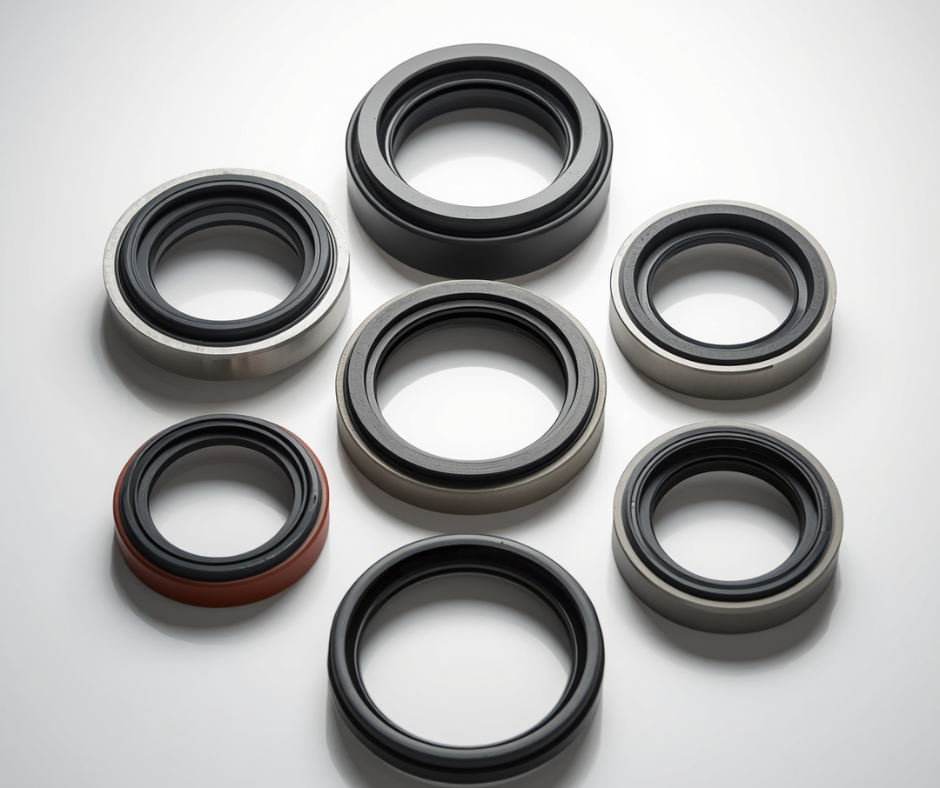
Power Steering Seals: Common Issues & Solutions
Power steering is one of the most essential comfort and safety features in modern vehicles. It makes steering effortless, improves vehicle control, and enhances driving comfort. At the heart of every power steering system are the seals—small but critical components that prevent fluid leaks and ensure smooth operation.
When power steering seals fail, the consequences can range from minor fluid leaks to complete steering system failure. In this comprehensive guide, we'll explore the most common power steering seal issues, their causes, symptoms, and practical solutions.
💡 Key Insight: Power steering seal failure is one of the most common reasons for steering system repairs. Early detection and timely replacement can prevent costly damage to the power steering pump and steering rack.
Understanding Power Steering Seals
Power steering systems rely on hydraulic fluid to transmit force from the steering wheel to the wheels. Seals play a critical role in keeping this fluid contained, preventing leaks, and blocking contaminants from entering the system.
There are several types of seals in a power steering system:
- Input Shaft Seals: Located where the steering column connects to the steering rack.
- Output Shaft Seals (Rack Seals): Where the tie rods connect to the steering rack.
- Pump Seals: Inside the power steering pump that pressurizes the fluid.
- Hose Seals: Where hoses connect to the pump and rack.
- O-rings: Used in various connection points throughout the system.
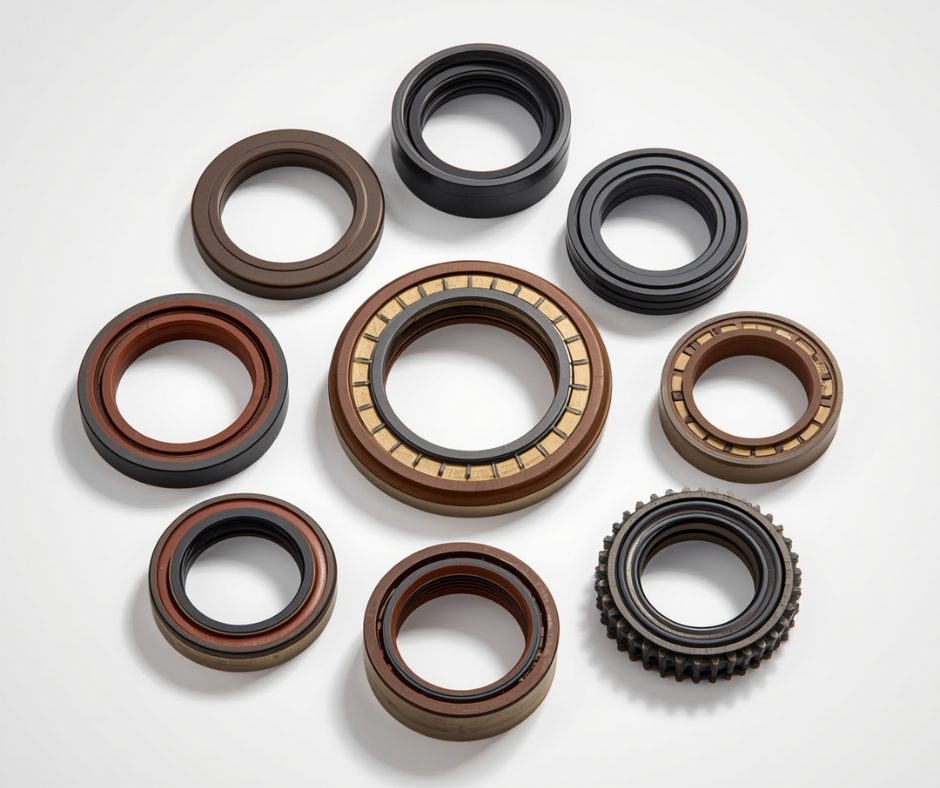
Common Power Steering Seal Issues
Issue #1: Fluid Leaks
🔴 Fluid Leaks
Fluid leaks are the most common sign of power steering seal failure. You may notice reddish or brownish fluid pooling under your vehicle, especially near the front wheels or under the steering rack.
✅ Solution: Identify the source of the leak by inspecting the steering rack, pump, and hoses. Replace the specific seal that is leaking. In some cases, the entire steering rack may need to be replaced if it's severely worn.
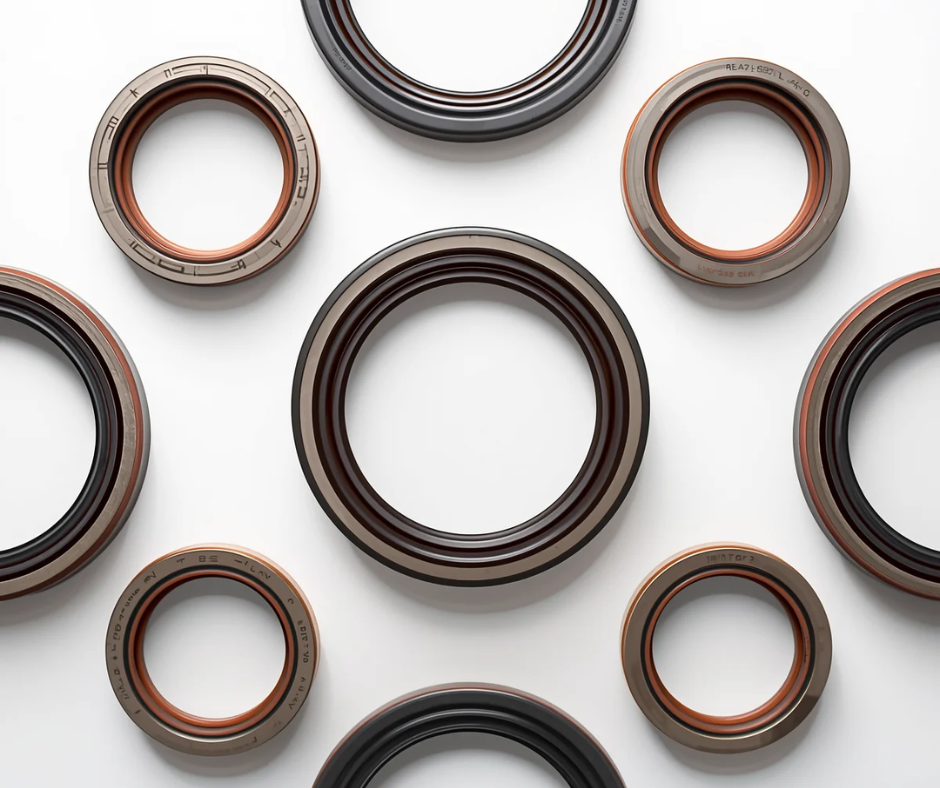
Issue #2: Stiff or Hard Steering
🔴 Stiff or Hard Steering
If your steering wheel suddenly feels heavier than usual, it's often due to low power steering fluid caused by a leak. Worn seals allow fluid to escape, reducing hydraulic pressure.
✅ Solution: Check fluid levels immediately. If low, inspect for leaks. Replace any leaking seals and refill with the correct type of power steering fluid. If the problem persists, the pump may be damaged.
Issue #3: Squealing or Whining Noises
🔴 Squealing or Whining Noises
A whining noise when turning the steering wheel often indicates low fluid levels or air in the system. Worn pump seals can allow air to enter or cause the pump to cavitate.
✅ Solution: Check fluid levels and inspect for leaks. Bleed the system to remove air. If the noise persists, replace the pump seals or the entire pump.
Issue #4: Erratic or Jerky Steering
🔴 Erratic or Jerky Steering
When steering feels inconsistent or jerky, it can indicate contaminated fluid or internal seal damage. Dirt and debris can enter through worn seals, damaging the system.
✅ Solution: Flush the power steering fluid and replace it with fresh fluid. Replace any damaged seals. In severe cases, the steering rack may need to be replaced.
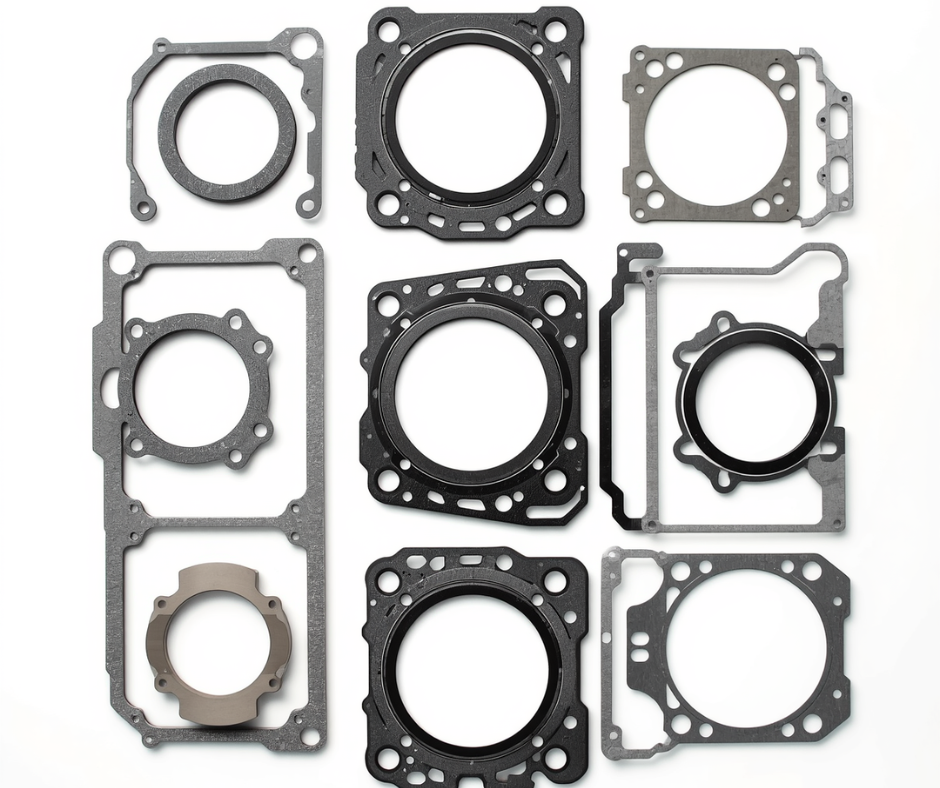
Issue #5: Steering Wheel Vibration
🔴 Steering Wheel Vibration
Vibration in the steering wheel can be caused by worn or damaged seals that allow dirt and debris into the hydraulic system, affecting fluid flow and pressure.
✅ Solution: Inspect the steering system for seal damage. Replace damaged seals and flush the system. Check for other issues like unbalanced tires or worn suspension components.
Why Power Steering Seals Fail
Understanding why seals fail can help you prevent future issues. Common causes include:
- Age and Wear: Over time, rubber seals harden, crack, and lose elasticity.
- Contaminated Fluid: Dirt, debris, or moisture in the fluid accelerates seal wear.
- Improper Fluid: Using the wrong type of fluid can damage seals.
- Heat Damage: Excessive heat can cause seals to degrade and leak.
- Pressure Surges: Sudden pressure spikes can damage seals.
- Incorrect Installation: Improperly installed seals are prone to early failure.
🔧 Pro Tip: Always use the manufacturer-recommended power steering fluid. Using the wrong fluid can cause seals to swell, shrink, or harden, leading to premature failure.
Preventive Maintenance Tips
Regular maintenance can significantly extend the life of your power steering seals. Follow these tips:
✅ Best Practices
- Check fluid levels regularly
- Inspect for leaks during routine maintenance
- Replace fluid at recommended intervals
- Use high-quality, manufacturer-specified fluid
- Inspect hoses and connections for damage
- Address any leak immediately
❌ Common Mistakes
- Ignoring small leaks
- Using incompatible fluids
- Over-tightening connections
- Not bleeding the system after repairs
- Delaying seal replacement
- Using poor quality replacement seals
When to Replace Power Steering Seals
Here are the signs that it's time to replace your power steering seals:
- Visible fluid leaks under the vehicle or on the steering rack.
- Low fluid levels that require frequent top-ups.
- Hard or stiff steering even with adequate fluid levels.
- Noises like whining or groaning when turning.
- Erratic steering behavior.
- Failed inspection during routine maintenance.
✅ Recommended: If you notice any of these signs, have your power steering system inspected by a qualified mechanic. Early replacement of seals can prevent more expensive repairs to the steering rack or pump.
Choosing the Right Replacement Seals
When replacing power steering seals, quality matters. At Hamza Oil Seals, we offer premium-quality seals from trusted global brands that meet or exceed OEM specifications.
Consider these factors when selecting replacement seals:
- Material Quality: Choose seals made from high-quality elastomers that can withstand temperature fluctuations and fluid exposure.
- Brand Reputation: Choose seals from reputable manufacturers with a proven track record.
- Correct Specification: Ensure seals match your vehicle's make, model, and year.
- Temperature Rating: Choose seals rated for the operating conditions of your vehicle.
- Fluid Compatibility: Ensure seals are compatible with your power steering fluid.
DIY vs. Professional Replacement
Replacing power steering seals can range from simple to complex, depending on the seal location:
- Hose and O-ring seals: Relatively simple DIY jobs.
- Pump seals: Moderate difficulty, requires some mechanical skill.
- Steering rack seals: Complex; often requires removing the rack and specialized tools.
If you're not confident in your mechanical abilities, it's always best to have a qualified professional handle the repair.
Need Power Steering Seals or Expert Advice?
Hamza Oil Seals offers a comprehensive range of high-quality power steering seals from trusted global brands. Whether you're a DIY enthusiast or a professional mechanic, we have the right products and expertise to help you get the job done right.
📞 Call us: +971 5037 56766
✉️ Email: hasnain@hamzaoilseals.com
Request a Quote →